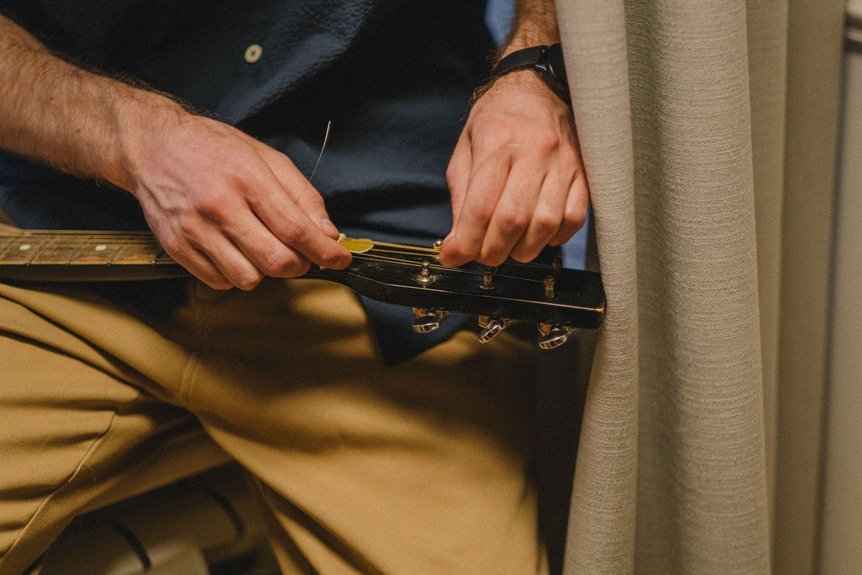
How Much Does It Cost to Get Your Guitar Restrung

Restringing costs vary with guitar type, string material, and service quality. Electric guitars typically offer the lowest price and quickest turnaround, while acoustics incur higher labor and setup considerations, and classical guitars often demand the most time and care. A restring includes removing old strings, lubricating tuners, installing new strings to precise tension, and verifying intonation, with a follow-up setup sometimes necessary for optimal playability. The final bill reflects materials plus the nuance of technician time, with a threshold that invites closer inspection of options.
What Factors Drive Guitar Restring Costs
Several key factors determine the cost of restringing a guitar, reflecting the technical demands and material choices involved. The evaluation weighs a reasonable budget against material options, tracing how string type, winding, and neck access influence labor. Quality vs. speed is balanced by time and tooling. Local vs. online shops also shape pricing, setup precision, and turnaround expectations.
Price Ranges by Guitar Type: Electric, Acoustic, and Classical
Electric, acoustic, and classical guitars each present distinct restringing cost profiles driven by string construction, hardware, and neck access considerations.
Restring durability varies with tension, winding method, and nut/peg alignment, while string materials influence longevity and tone.
Electric setups typically favor lower, quicker costs; acoustic and classical involve higher labor time due to scale length and nut spacing, impacting overall price ranges.
What a Restring Typically Includes: and When You Should Add a Setup
A restring typically includes removing old strings, cleaning exposed hardware, lubricating tuners as needed, and installing new strings to precise tensions, with attention to intonation and neck relief.
The discussion then centers on restring timing and setup inclusion: technicians evaluate tension balance, adjust truss rod if required, and confirm bridge saddles.
A careful setup ensures consistent playability and reliable intonation across string gauges.
Tips to Get Value: Budget, Materials, and Finding the Right Shop
Budget-conscious guitar restrings hinge on selecting appropriate materials, pricing strategies, and locating a shop that aligns with precise setup standards. The approach emphasizes budget considerations, material quality, and shop selection, binding cost to reliability. Materials chosen affect tone stability and longevity, while setup timing ensures intonation and relief accuracy. A client-driven shop fosters transparent estimates, meticulous workmanship, and enduring instrument performance.
Frequently Asked Questions
Do Restringing Prices Vary by Guitar Brand or Model?
Restringing prices do show brand variation and model influence, reflecting construction and hardware differences. A technical assessment notes strings, tuners, and nut spacing affect labor and material costs, with precision craftsmanship ensuring stability, tone preservation, and material awareness for freedom-minded players.
How Long Does a Typical Restring Take?
A typical restringing takes about 30 to 60 minutes, depending on instrument type and setup precision. The process emphasizes resonance tuning and tonal balance, reflecting technical craftsmanship, material awareness, and a spirit of freedom in instrument maintenance.
Are There Hidden Fees Beyond the String Price?
Hidden fees may apply beyond string price, though most shops include labor charges in a single rate. Labor charges reflect setup, intonation, and cleanup, with material awareness ensuring stability and tone. The approach balances precision, craftsmanship, and freedom for the player.
Can You Resurface or Repair Frets During Restringing?
Resurfacing frets is not typically performed during standard restringing; fret repair during restringing may be offered as a separate service. The shop emphasizes technical precision, craftsmanship, material awareness, ensuring accurate intonation while preserving freedom of playability.
Should I Replace Pickups or Hardware During a Setup?
The decision hinges on use and tone; if maintenance reveals weak electronics or future flexibility, consider hardware and pickup upgrades. Two word discussion ideas: guitar maintenance, pickup upgrades; the choice reflects tone goals, reliability, and craft discipline.
Conclusion
Restringing unfolds like a meticulous workshop ritual: tangles of copper unwind, strings glisten with fresh tension, and the guitar’s wooden backbone breathes as the new strings find their grip. Precision guides every step—from tuner lubrication to nut and intonation checks—each action a careful stroke of craft. In this quiet symphony of materials, the instrument’s voice returns, cleaner and more responsive, its playability refined by service that respects both guitar and craftsman’s measured standards.